this blue angel
Featured
of late
Featured
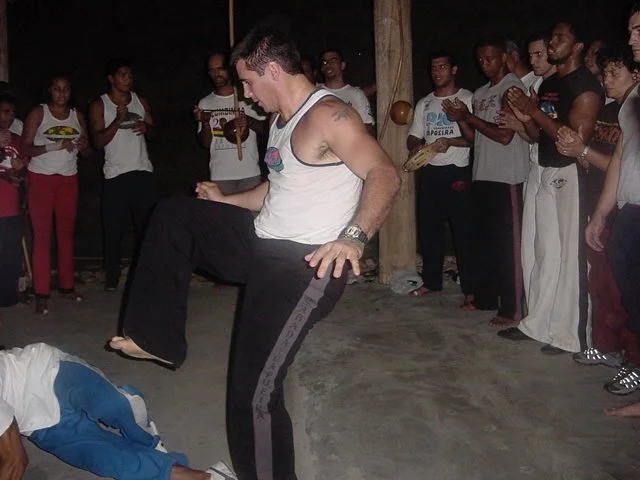
At the time of my article, I was training in the Brazilian martial art and dance form capoiera. I knew guys who were also training in Gracie jiu jitsu. At one point, someone gave me a classified ad: An anonymous donor wanted to pay two women to fight for him, on tape. Did I want to answer it?
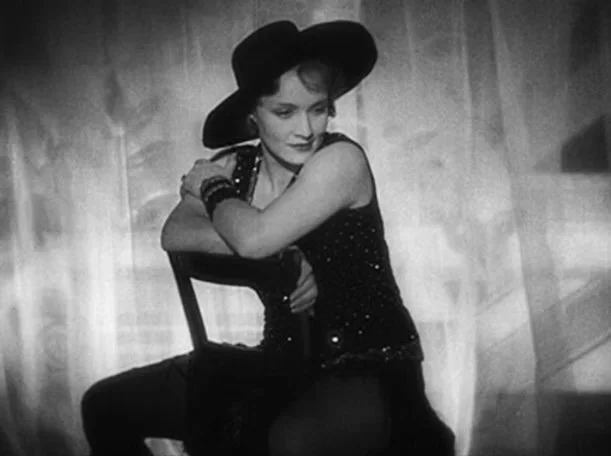
In college when I was taking a film class, I opened one of those books that existed before the internet, a compendium of famous people born on each day of the year. We had just screened The Blue Angel, in class, and there, on my very own birthday page, was Marlene Dietrich. She of the vertiginous cheekbones and the intense eyes.
Last November, I went with a group of friends to see an art project at the Los Angeles River called What Water Wants. We all wore headphones and listened to Rosten Woo’s project about the LA basin’s watersheds.
Activists and artists and planners and researchers have been working for decades on a new plan to reclaim the river. In the ‘30s, the Army Corps of Engineers strait-jacketed it with concrete channels. But last year, my friends and I saw a heron pecking in the grasses at the foot of a tree. We watched water flow towards the ocean. The area across from us would soon be turned into a park. What Mike Davis once called “the redemption of Los Angeles’s riparian landscapes” seemed so close we could taste it.
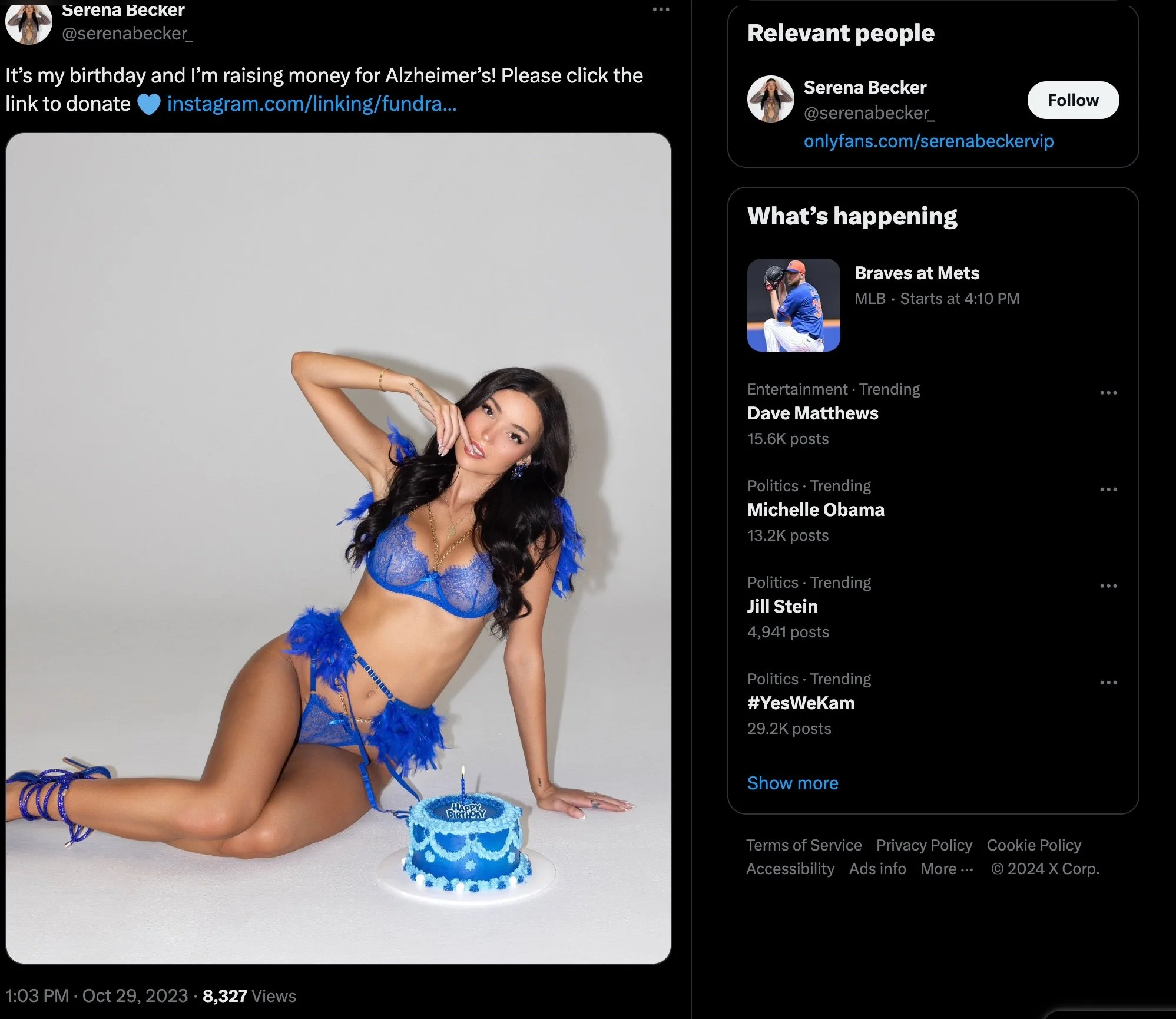
I wanted to enter SOULHOUSE. But they were closed. So I snapped a picture and ended up, in an insomniac moment at 2am, distracting myself not with an appointment for inner crystals but with a rabbit hole of questions about this house of soul: Why does a music producer and “sound healer” by the beach have an Alzheimer’s nonprofit that he started with Dionne Warwick and an OnlyFans model?
Perhaps this doesn’t happen to you.
Research about anonymous corporations and money laundering is a minor habit. It can be a useful lens through which I see the business world, or it can be like an inner hammer, where, when some part of me is longing for escape, everything I see in the world looks like a distracting nail.
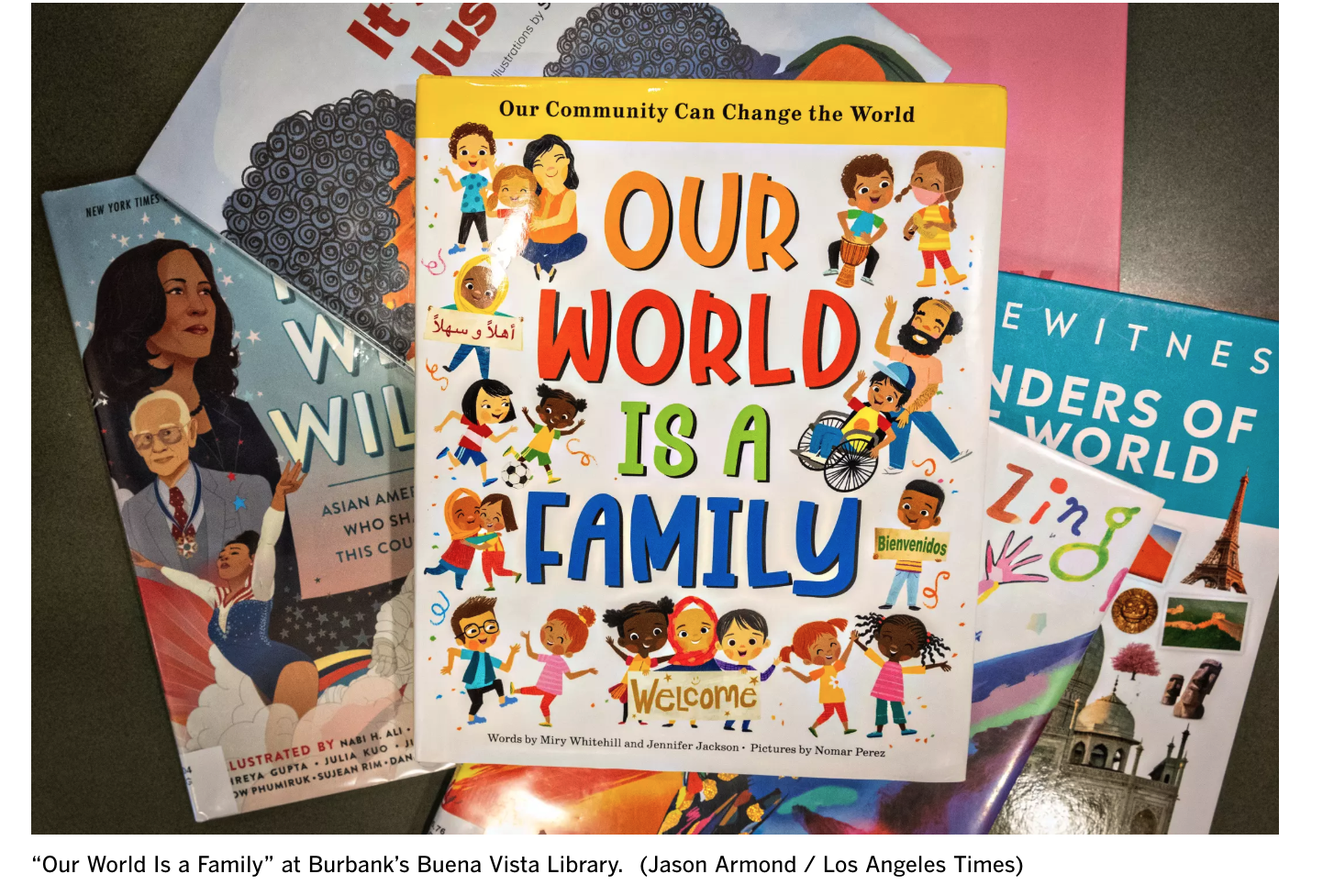
I published an article in the LA Times about a children’s book that charted just above “Heated Rivalry” in overall online sales — coming in at No. 10 to the steamy ice romance’s No. 11. That book is: “Our World Is a Family: Our Community Can Change The World.”It’s a children’s book, also about love, but not about romantic love. Instead, it’s about welcoming refugees and immigrants into our communities.
I went to New York in October for a seminar in ASAP, the Association for the Study of the Arts of the Present. I did write about improv, college, stripping & Marx? See the seminar description below. I took almost no pictures of people, even though it was so sustaining to reconnect with friends I only see at conferences.
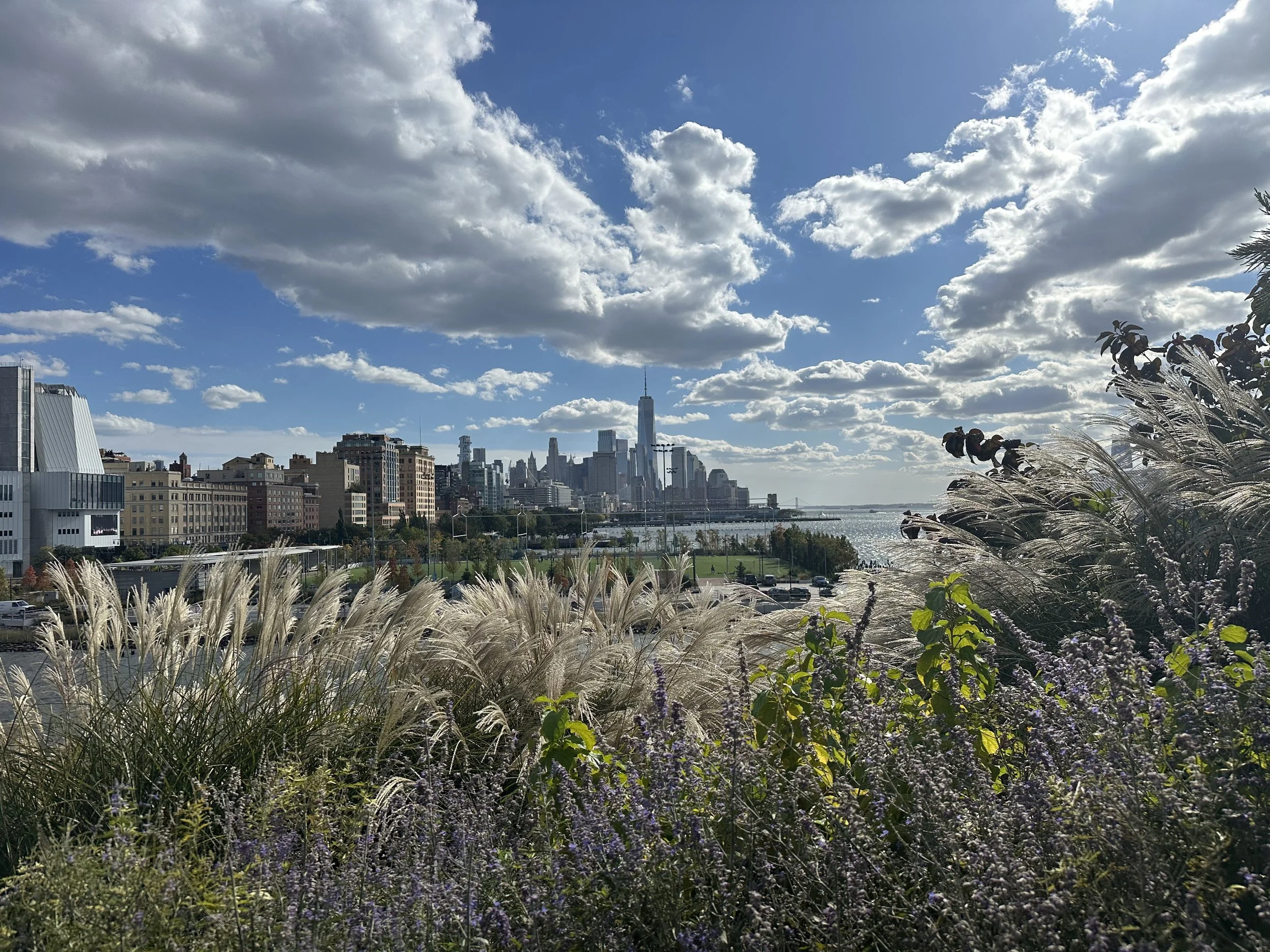
I walked the Highline down the waterfront and then across the Brooklyn Bridge. I saw the extraordinarily moving Alvin Ailey exhibit. I let my friend in Brooklyn spoil me, while I fell in love with his cat. We went to a play and a Knicks game and a comedy show, and nothing has ever been more glorious.
And I got to put in some quality time with my uncle, Paul Chihara, and his lovely wife Carol, who teased me about Marxist humor and told me stories about the past.
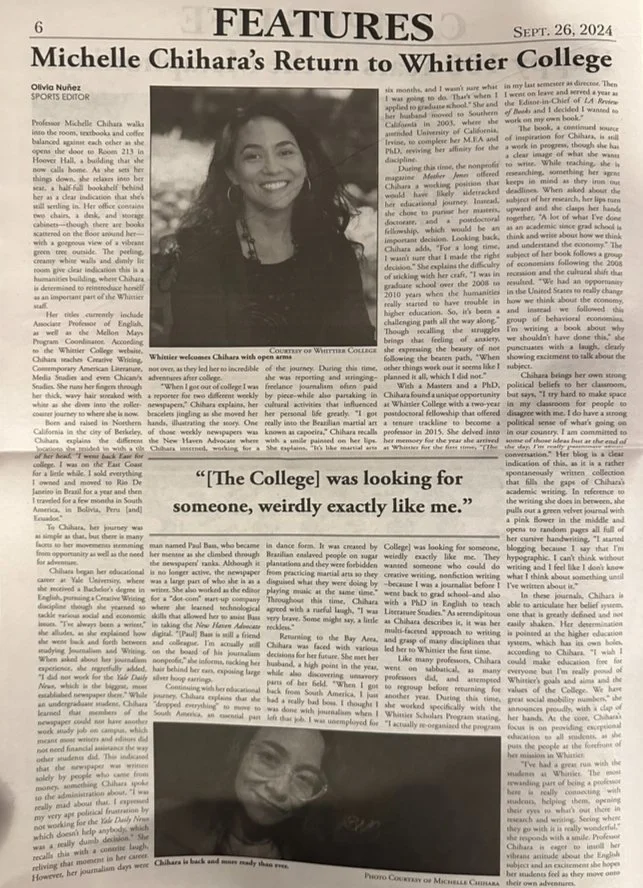
It has been great to get back into the classroom with face-to-face contact with students. No one wants to talk about the pandemic anymore, except that I think we talk about it all the time beneath the surface. I'm conscious how much it means to show up, in person. I have been trying to bring a lot of energy to the classroom, and perhaps as a result, or perhaps just because I came back, one of my students suggested that the student paper write an article about me. I kind of assumed would just be a squib on the fact of my return, but they published an entire full page feature. Can you hear me blushing? Sports Editor Olivia Nunez put real care into the writing. I'm honored and touched.
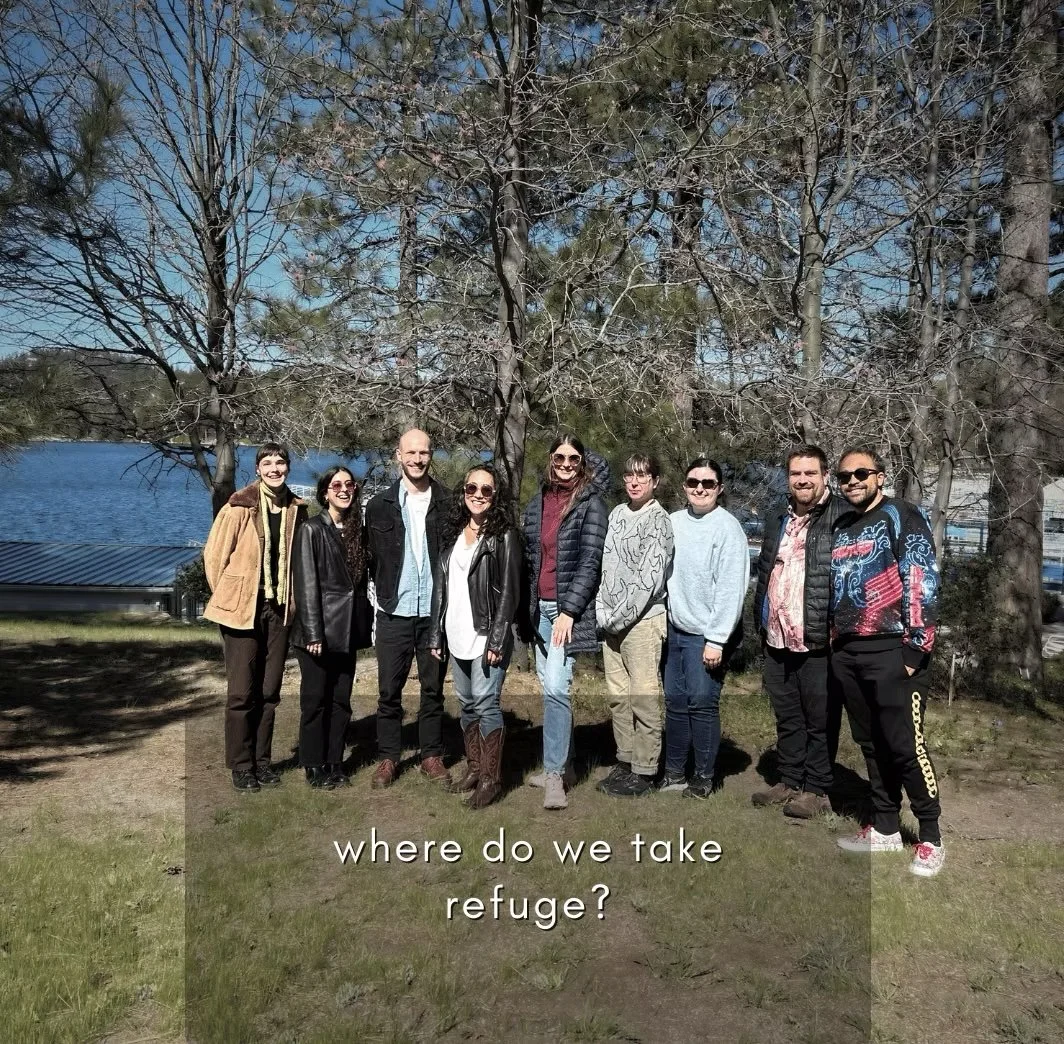
In April and May, I worked with a group of graduate student who had won competitive grants from the UC Humanities Research Institute to write public-facing essays on the theme of work and refuge. They participated in a larger set of initiatives exploring refuge and its refusals. After having met only once via Zoom for a workshop, we found ourselves together at the University of California's well-appointed lakeside vacation cabins.
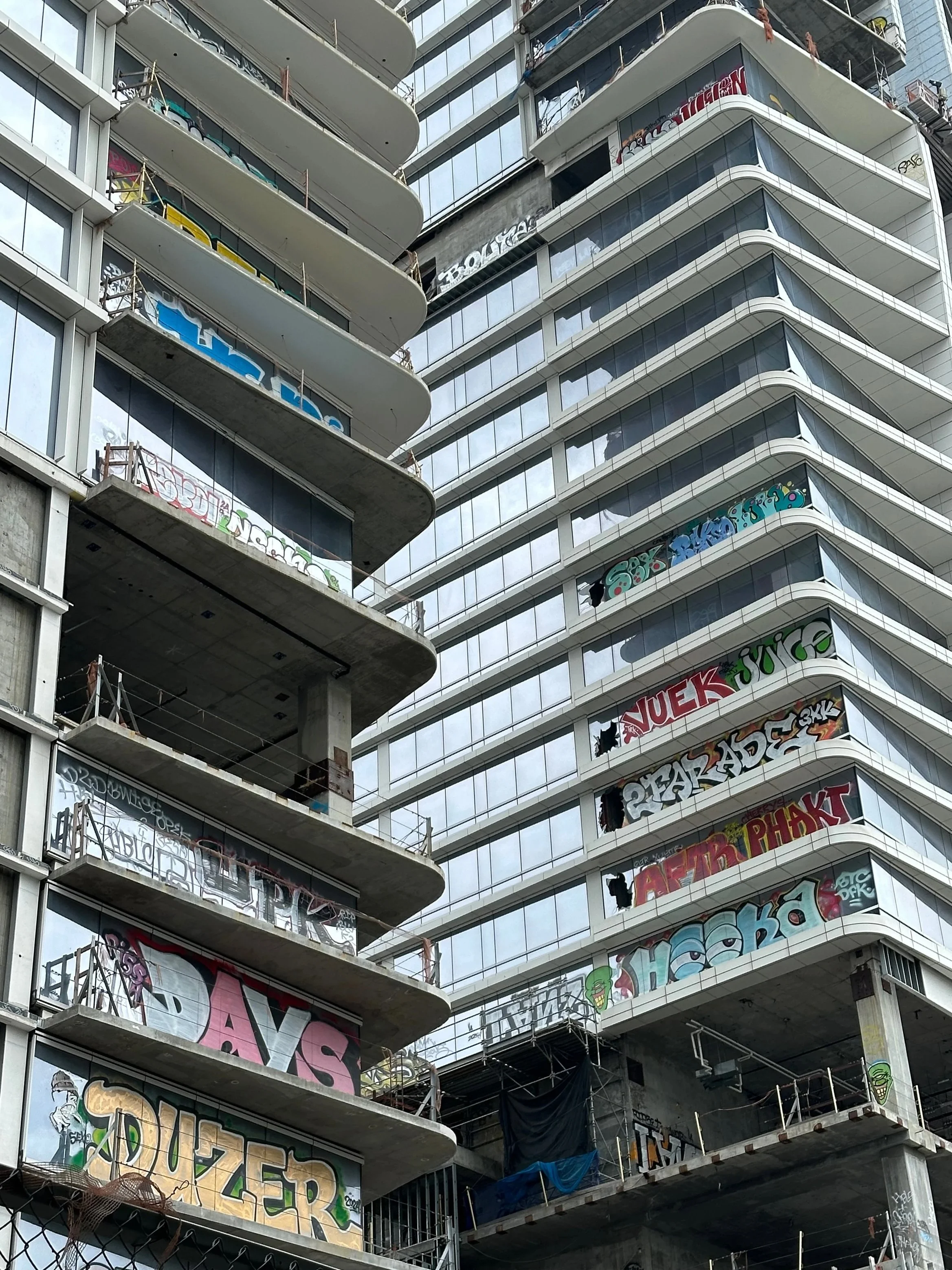
On April 4, I had the privilege of acting as a commentator for papers from Stefan Eich and Christine Desan for a symposium entitled Cutting The Gordian Knot of Finance. I'm still reading their other work, which I highly recommend. Here are a couple of takeaways (which I probably could have done a better job of summarizing in my talk, I was trying to relate their work to some stuff I'm working on about EB-5 financing and the Oceanwide project downtown...