Strategic Audio: Podcasts, Propaganda, and the Fairy Tales of Data Mining
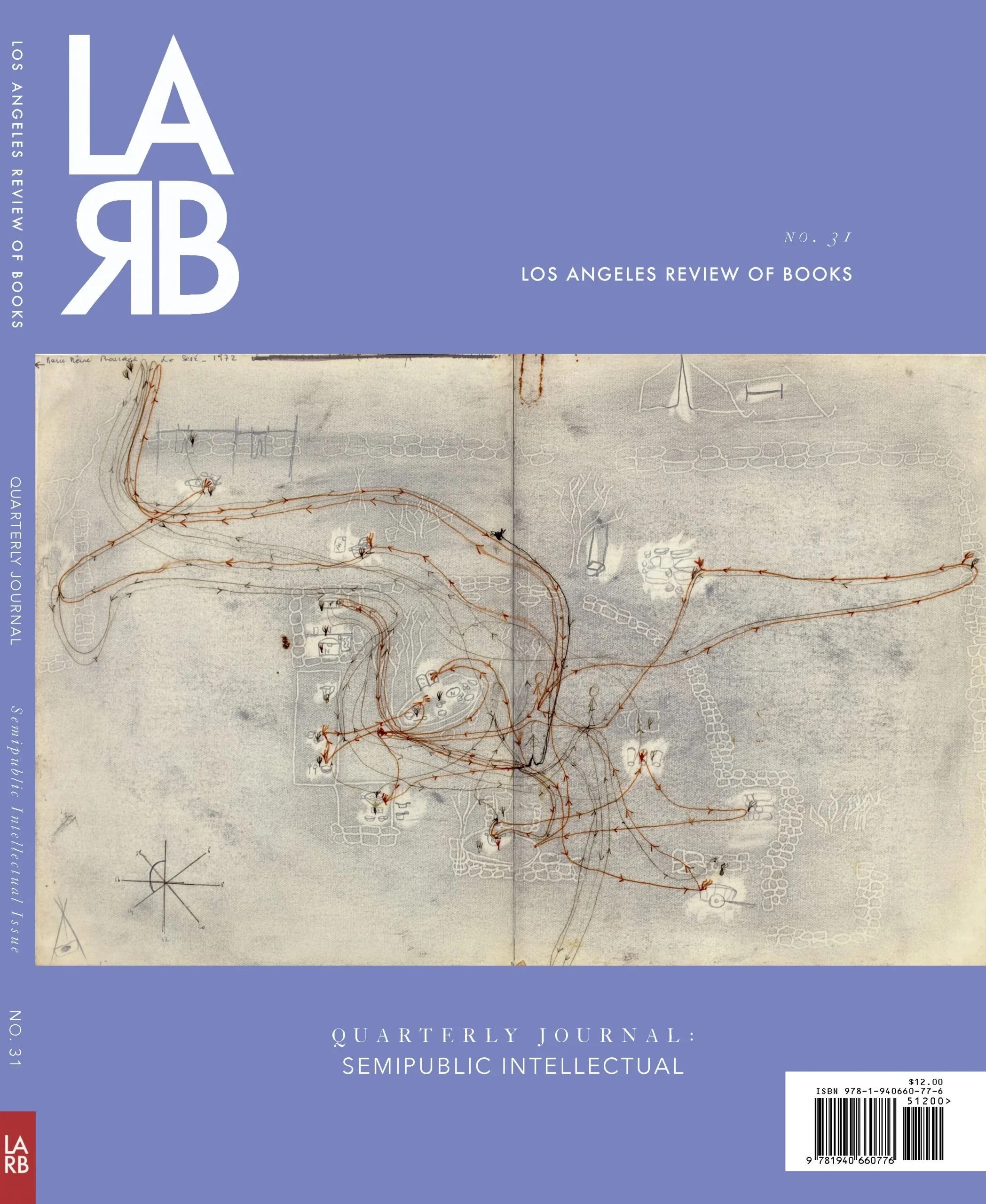
This essay was published in a cluster for Los Angeles Review of Books Quarterly Journal: In the SemiPublic Issue, September 2021
I reported on the circumstances surrounding a peculiar episode of a behavioral economic podcast called Invisibilia. The podcast, in turn, was about a reality television show in Somalia. My take uses the podcast about the TV show to question behavioral science at its intersection with the national security state and strategic communications (as these questions relate to my book project).
IN 2018, the popular NPR podcast Invisibilia released an episode about a reality television show in Somalia called “The Other Real World.” Invisibilia tells stories inspired by behavioral science and aims to explore the “invisible forces” that shape human behavior. The episode in question spun a sweet, hopeful narrative about the power of music, a kind of Footloose fable set against the chaos of the failing Somali state and the rise of al-Qaeda-linked extremists.
“The Other Real World” episode discusses a reality television show much like American Idol, funded by an impartial and humanitarian United Nations. The reality competition, dubbed Inspire Somalia, asked Somali volunteers to risk their lives by flouting local prohibitions against music and television. The prohibitions were described on the podcast as the work of Muslim extremist group al-Shabab. By providing this forum for self-expression, according to Invisibilia’s reporting, Inspire Somalia would do far more than crown a winning singer, it would spread lessons about individual freedom and democracy — because of voting … on songs. “The ultimate goal” was to create reality television that would not only explore but “change human behavior,” and thus “change the world.”
Around the same time, idealistic rhetoric about the power of auditory art over human behavior was also being deployed by the “unicorn” Swedish platform Spotify. In fact, this episode of Invisibilia aired just as the streaming wars had reached out to join music and non-music content. Spotify was branching out from its deals with record companies, acquiring podcast start-ups, and cutting deals with National Public Radio to air their content.
The primary editor for the Streaming Symposium was the excellent Annie Berke.
I commissioned Sun Ha Hong's fascinating piece about Peloton bikes and their provision of on-demand social isolation, Antiseptic Glass Stream.
Super psyched to be part of this excellent group, with essays by Kristen Warner on The Impossible Promise of Diversity, Jorge Cotte on The Underground Railroad, Phil Maciak on Netflix animation, and Michael Szalay on the Industrious Family Drama.


Donec id justo non metus auctor commodo ut quis enim. Mauris fringilla dolor vel condimentum imperdiet.