Making Ends Meet in the Gig Economy | Money & American Lit
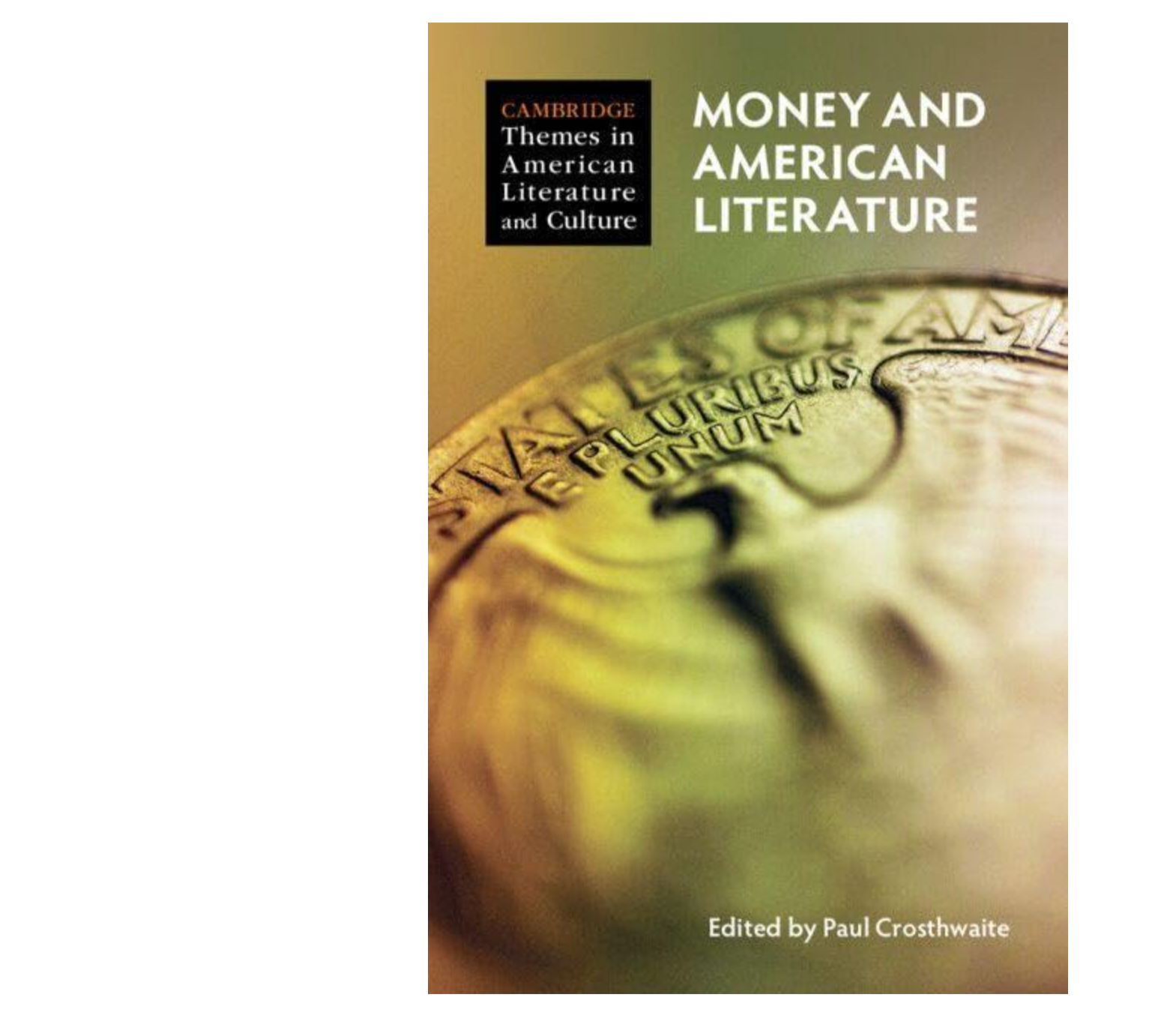
Because of my Angel Hours project, I’ve been thinking about the money form and currencies a lot, lately. This excellent volume has been instrumental to my thinking in more ways than one. I attended the Money Talks conference in Edinburgh in May of 2025 and it was transformative.
My chapter in this book, however, preceded my work on Angel Hours, it’s about contemporary narratives set in the publishing industry in a late capitalist or gig economy moment, which really comes to mean in the end times.
Four twenty-first-century US novels, Then We Came to the End by Joshua Ferris (2007), Zakiya Dalila Harris’s The Other Black Girl (2021), Severance by Ling Ma (2018), and Luster by Raven Leilani (2020), all negotiate cubicle nostalgia by representing the work of representation.
The book jacket copy says that writers “have been among the sharpest critics and most enchanted observers of an American social world dominated by the 'cash nexus'; and they have reckoned with imaginative writing's own deep and ambivalent entanglements with the logics of inscription, circulation, and valuation that define the money economy itself. As a dominant measure of value, money has also profoundly shaped representations of race, ethnicity, gender, and sexuality.”
I wonder, particularly with the last two authors, about how and whether those most punished by too-late capitalism might train their eyes to see new options. Here at the end of cubicle jobs and the end of literature, in the shadow of the climate reports, I end up hoping that clear vision might emerge from a willingness to look both death and our need for each other in the face.
It is, at least, a place to start.