Illicit, Offshore, Shadow, Invisible
This article is an excerpt from the LARB Quarterly, no. 38: Earth.
¤
ON AN UNUSUALLY rainy evening in Los Angeles this March, at the Thomas Mann House in Pacific Palisades, two investigative reporters from Germany gave a talk about a financial scandal known as “cum-ex.” Against the backdrop of a mid-century modern terrace, its polished cement looking dull and gray in the storm, the pair flashed through a series of slides about international tax embezzlement.
A relatively small drip of funds from the German cultural ministry sometimes supports talks like these in the name of Mann’s legacy. When the capital of German literary life was exiled to Los Angeles around the Second World War, the author built a home that now still hosts salons in the name of democratic cultural exchange.
The reporters began their story with a blurry image of a “stick” flying through the air—a tiny thumb drive packed with financial data. The stick, they said, was leaked to Felix Rohrbeck and Oliver Schröm when they were reporting for the newspaper Die Zeit: a heroic young woman at the tax authority blows the whistle, and then an editor at Die Zeit begins spying on the young reporter! The editor tips off his banker buddies that their scheme is about to be uncovered, but he can’t kill the story. The once-respectable Warburg Bank sends teams of lawyers to threaten the magazine. The international nature of the fraud brings together a team of journalists from across Europe—usually bitter rivals—for late-night sessions of data analysis and encrypted uploads over pizza. And now, after almost a decade, the facts of the abuse are known: cum-ex trades have robbed treasuries across the globe of upwards of $60 billion. One German banker is actually in jail.
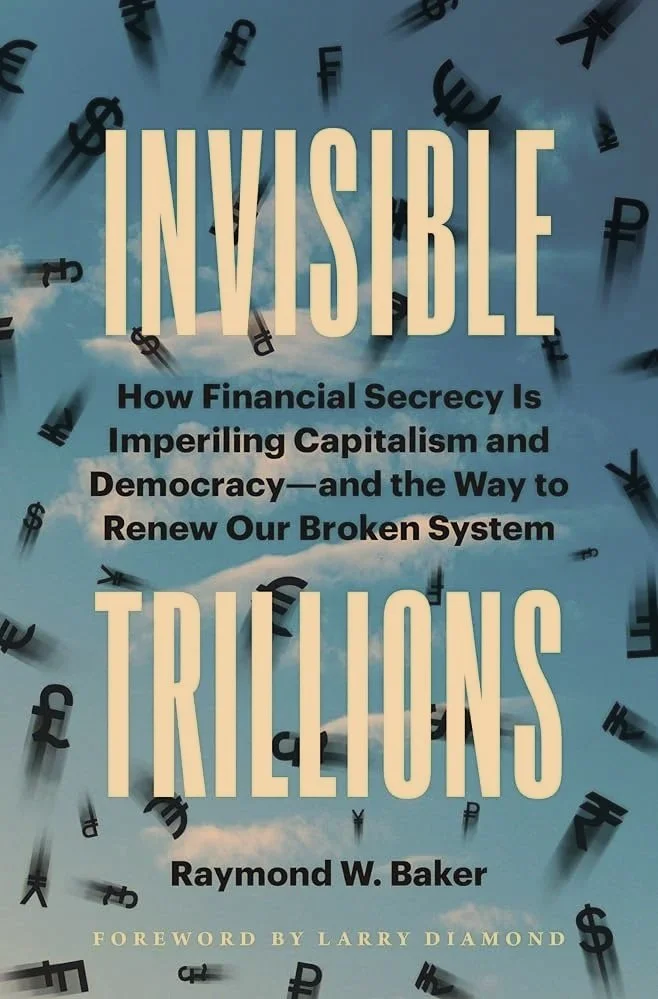
“‘We’ve got to elevate this issue,’ he told me. ‘I read stories for 50 years about drug dealers who then laundered their money. Throughout those 50 years, the flow of drugs into the United States has never been curtailed and the price of drugs has never gone up. Fifty years of stories haven’t affected the reality. They never got to the bigger picture, which is that we are facilitating the money that keeps these guys in business.’
When Baker said this to me, he could only be described as upbeat. He is an energetic figure who has played a major role in the passage of crucial legislation around foreign assets and money laundering. His fluency in the details of the existential threat, combined with his somewhat counterintuitive positivity, make him eminently persuasive.
For Baker, cum-ex is just another loophole in the lacework, more openly fraudulent perhaps but otherwise barely distinguishable from the rest of the porous mess...”